

Ocean Tech Review • Independent Marine CFD
Support Marine OpenFOAM: 4 Practical Ways to Contribute
Support Ocean Tech Review and help develop independent resources for marine OpenFOAM applications. Contributions can fund computational fluid dynamics (CFD) tutorials, reproducible simulation cases, validation studies and practical engineering tools for naval architects, offshore engineers, researchers and students.
- Reproducible engineering workflows
- Clear acknowledgement
- Independent technical decisions
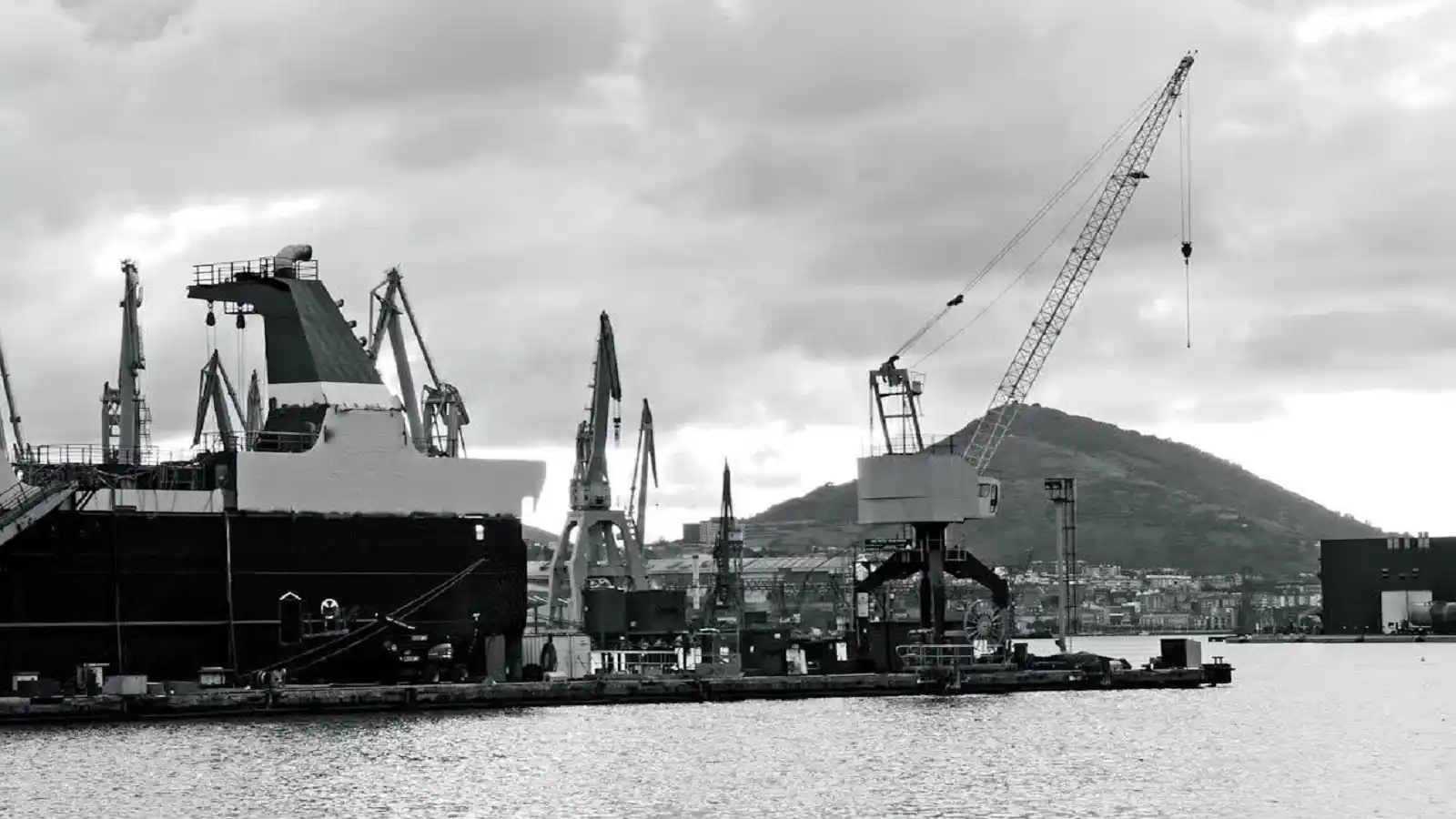
From Engineering Methods to Useful Resources
Why support independent marine CFD resources?
A useful simulation resource explains how a result was obtained. For marine applications, this means documenting geometry, mesh quality, boundary conditions, physical models, numerical settings and the limits of the analysis.
Our focus is on making these workflows easier to understand, inspect and reproduce. Proposed work can cover ship resistance, free-surface flow, wave loading and related engineering calculations, with the scope agreed for each project.
Reproducible Cases
Case files and clear instructions can help users follow a simulation from geometry preparation through meshing, solution and post-processing.
Practical Learning
Technical guides can explain modelling choices, assumptions and numerical settings in the context of a specific marine engineering problem.
Verification & Validation
Mesh and time-step studies, benchmark comparisons and transparent reporting help readers judge the reliability and limitations of results.
Accessible Resources
Computing, hosting and maintenance help keep technical material available and make version-specific instructions easier to maintain.

For Companies & Institutions
Collaborate on a marine engineering project
We welcome enquiries from shipbuilders, marine consultancies, offshore companies, universities and research groups interested in accessible engineering knowledge.
Begin with a defined need: a documented hull-resistance case, a numerical wave tank, an explanation of boundary conditions or a benchmark comparison. Feasibility depends on the available geometry, data, computing resources and modelling requirements.
Financial contributions, technical review and in-kind resources can help deliver the agreed work. Project scope and acknowledgement are discussed before development begins.
- Fund a documented marine OpenFOAM tutorial or simulation case
- Contribute experimental measurements or benchmark data with permission for their intended use
- Provide computing capacity for mesh studies and numerical experiments
- Help review technical explanations and maintain existing learning resources
Ways to Contribute
4 practical ways to support this work
Choose the area that matches your interests and resources. Each arrangement has an agreed technical scope, contribution and acknowledgement.
Case Development
Marine OpenFOAM Tutorials
Fund a focused learning resource on hull flow, free-surface modelling or wave interaction. An agreed deliverable may include case files, setup instructions, post-processing steps and a discussion of assumptions.
Research & Evidence
Benchmarking & Validation
Contribute to comparisons with suitable experimental data or published benchmarks. Work can include mesh refinement, time-step sensitivity and analysis of differences between numerical and reference results.
Computing Resources
Simulation Infrastructure
Provide computing time, storage or hosting for development and testing. The required capacity depends on case size, simulation duration and the number of runs needed for a meaningful study.
Ongoing Maintenance
Documentation & Updates
Help review instructions, clarify limitations and update resources as software changes. Recording the OpenFOAM distribution and release is essential because case settings and available features can differ.
How It Works
How to arrange project support
Start with a short enquiry. We discuss the engineering question, intended audience, available data and expected deliverables before agreeing on a project.
-
01
Share Your Idea
Describe the marine application, who would use the resource and the contribution you have in mind. Include an existing case or reference if one is available.
-
02
Define the Scope
Agree the target software distribution and version, geometry, operating conditions, data access and intended outputs. Identify feasibility limits and the checks needed to assess the results.
-
03
Agree Contributions & Disclosure
Define project boundaries, responsibilities, funding or in-kind resources, publication permissions and public acknowledgement before development begins.
-
04
Develop & Review
Prepare and review the resource against the agreed scope. Document the methods, findings and limitations, with maintenance responsibilities defined for the project.
Independent by Design
Engineering independence comes first
Financial and in-kind support make technical work possible. Engineering methods and conclusions remain independent of financial arrangements.
Methods remain independent
Sponsors do not control calculation methods, engineering assumptions, model selection or validation outcomes.
No guaranteed conclusion
Funding does not guarantee a favourable simulation result, technical conclusion, comparison, recommendation or ranking.
Project support is disclosed
Financial or in-kind contributions connected to a specific engineering resource are identified in a clear acknowledgement for its users.
Marine OpenFOAM & Hydrodynamics
Marine OpenFOAM applications: potential project areas
Projects can explore hull resistance and wake flow, free-surface behaviour, numerical wave tanks, wave–structure interaction and floating-body motion. Each application needs an appropriate modelling approach and reference evidence; not every case or solver is suitable for every marine problem.
Physical testing provides valuable context for numerical work. Explore our guide to ship model testing in towing tanks and the wider Ocean Tech Review platform.

Technical References
Official OpenFOAM documentation for further reading
Use the documentation that matches your distribution and release. The Foundation and OpenCFD editions have separate documentation; settings and tutorials should not be assumed interchangeable.
- OpenFOAM Foundation user guide, published by CFD Direct — a reference for case setup, meshing, running simulations and post-processing.
- OpenCFD OpenFOAM user guide — documentation for the OpenCFD distribution and its general simulation workflow.
- OpenCFD wave boundary conditions, version 2312 — a version-specific reference for wave-related boundary conditions.
These links are technical references. Contributions discussed on this page are for Ocean Tech Review resources, not donations to the OpenFOAM developers or a software helpdesk service.
Common Questions
Questions about support and marine CFD projects
Learn what a contribution can fund, what to include in an enquiry and how technical decisions are handled.
What does my support help fund?
Contributions can fund tutorials, simulation case development, benchmark studies, documentation and infrastructure. The scope may also include practical calculators or related marine engineering guides.
Can we propose a specific marine OpenFOAM case?
Yes. Send the engineering objective, intended software distribution and version, available geometry, operating conditions and any reference data. We assess feasibility and agree on deliverables before proceeding.
Does sponsorship influence technical conclusions?
No. Sponsors do not control modelling assumptions, numerical methods, validation findings or the conclusions reported in a resource.
Is payment required before an initial discussion?
No. Begin with an enquiry. Scope, contributions, responsibilities and acknowledgement are discussed before any financial arrangement is agreed.
Can I contribute data or computing resources?
Yes. Relevant experimental data, geometry, computing time and storage may be useful. Please describe what is available and any licensing, confidentiality or publication restrictions.
Can individuals take part?
Yes. Individuals can support a resource, contribute technical feedback or propose a useful topic. Contact us with your interests and the type of contribution you have in mind.
Work with Ocean Tech Review
Discuss a marine CFD project
Support independent engineering resources by sharing a project idea or proposed contribution. Individuals, companies, universities and research groups are welcome to enquire.
Share your idea, the intended users and the type of contribution you have in mind. You do not need a sponsorship package or a payment commitment to start the conversation.
In your first message, include your name, organization if applicable, marine application and proposed contribution. For simulation projects, add the software distribution and version, available data and intended outputs.
We will use your enquiry to establish whether the proposed work has a suitable technical scope and a clear benefit for its intended users.